

Why Smart College Students Suddenly Start Failing Midterms
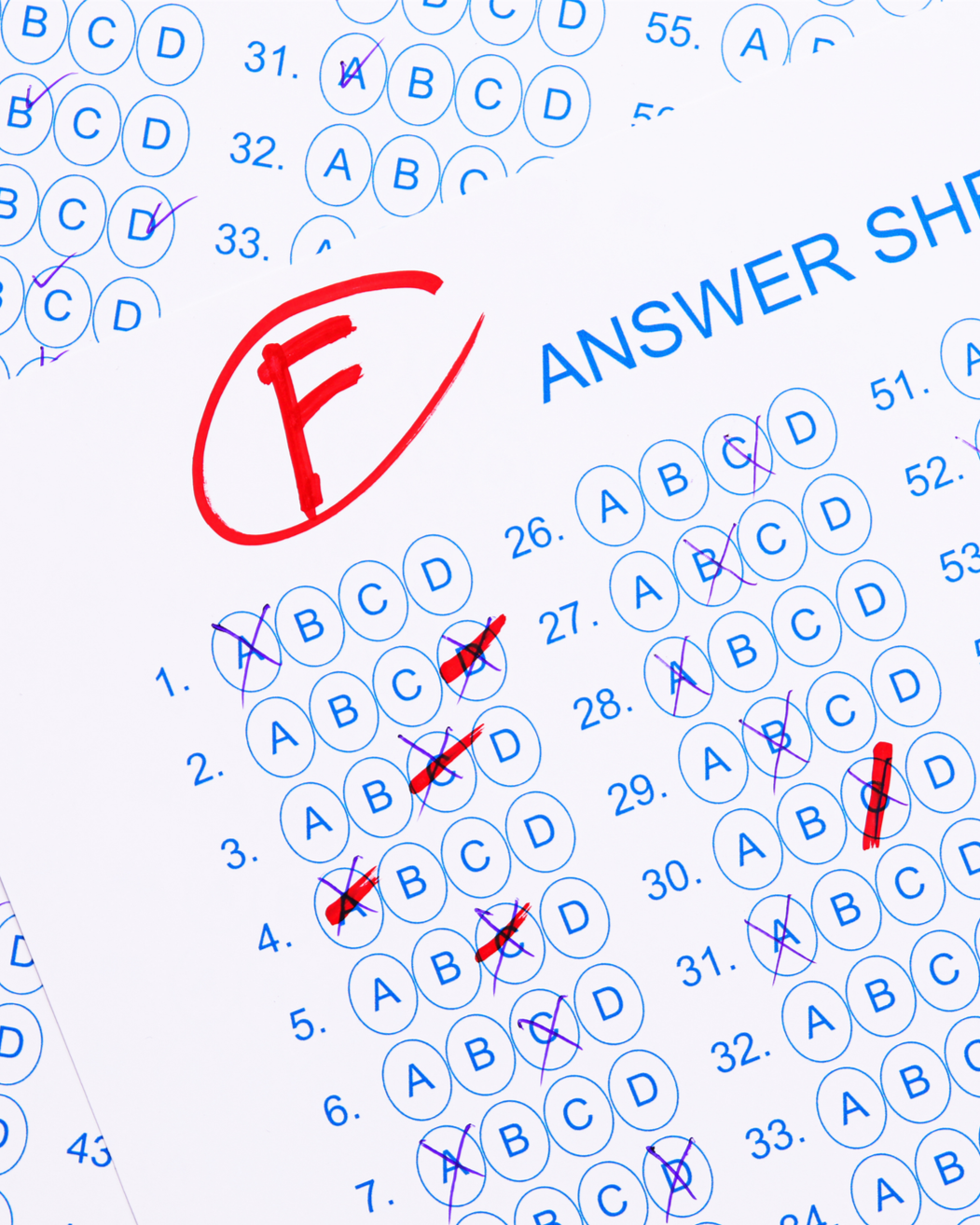
Many parents have the same unsettling conversation in March.
The semester seemed to be going fine. Your student sounded confident on the phone. Then the first round of midterm exams comes back and the grades are far lower than expected.
Parents often say some version of the same thing:
“My child is smart. Why are they suddenly struggling?”
In many cases the issue is not intelligence or effort. It is executive function.
Colleges Assume Students Already Have Executive Function Skills
College places enormous demands on planning, organization, and time management. Students must juggle multiple syllabi, track deadlines weeks in advance, and begin preparing for exams long before pressure becomes urgent.
For students who struggle with executive function, those demands can quickly become overwhelming.
This challenge is especially common among students with ADHD. National survey data from the CDC’s National Center for Health Statistics estimates that 9.8 percent of young adults have received an ADHD diagnosis. Research also shows ADHD is strongly associated with executive function difficulties involving planning, organization, and working memory.
Many capable students arrive at college having never developed reliable systems for managing these demands.
Why Midterms Are Often the Turning Point
The first few weeks of the semester can feel manageable. Assignments are lighter and deadlines appear far apart.
By mid-March the workload intensifies. Students suddenly face:
multiple exams
long research papers
group projects
heavy reading assignments
Without structured planning habits, students begin reacting to deadlines instead of managing them.
Three Steps Students Can Start Using Immediately
If your student just received disappointing midterm grades, encourage them to try three simple adjustments.
First, map every remaining deadline. Write down every exam, paper, and project between now and finals. Seeing the entire semester clearly often reduces anxiety and improves planning.
Second, break large assignments into smaller steps. A paper should have separate deadlines for research, outlining, drafting, and revision.
Third, study in shorter sessions across several days. A large meta-analysis conducted reviewing 254 learning studies found that studying material over multiple sessions significantly improves long-term retention compared with cramming (Psychological Bulletin).
These strategies sound straightforward. The challenge is implementing them consistently!
Why Families Turn to Executive Function Coaching
Campus tutoring and academic support centers can be helpful, but they typically provide short, one-time appointments. Families often tell us that our individualized coaching transforms not only grades but also confidence and independence. After one or two semesters in the College Success Plan program students typically:
✓ Have better grades
✓ Improve their confidence
✓ Experience less stress
✓ Become more accountable
✓ Learn skills to prepare for tests and long term projects
✓ Develop life-long executive function skills
✓ Drop fewer classes
✓ Enjoy college more than before
When It May Be Time to Seek Support
You student may struggle with executive function if they consistently:
start assignments too late
miss deadlines
study for hours with little progress
feel overwhelmed by multiple classes
The encouraging news is that these skills can be learned.
For more than a decade, College Success Plan has helped college students develop the planning, organization, and study systems they need to succeed.
Read about College Success Coaching, one-on-one virtual coaching that meets your student every week. If you would like to discuss your student’s unique situation with one of our experts, we invite you to schedule a complimentary consultation with our team today.