

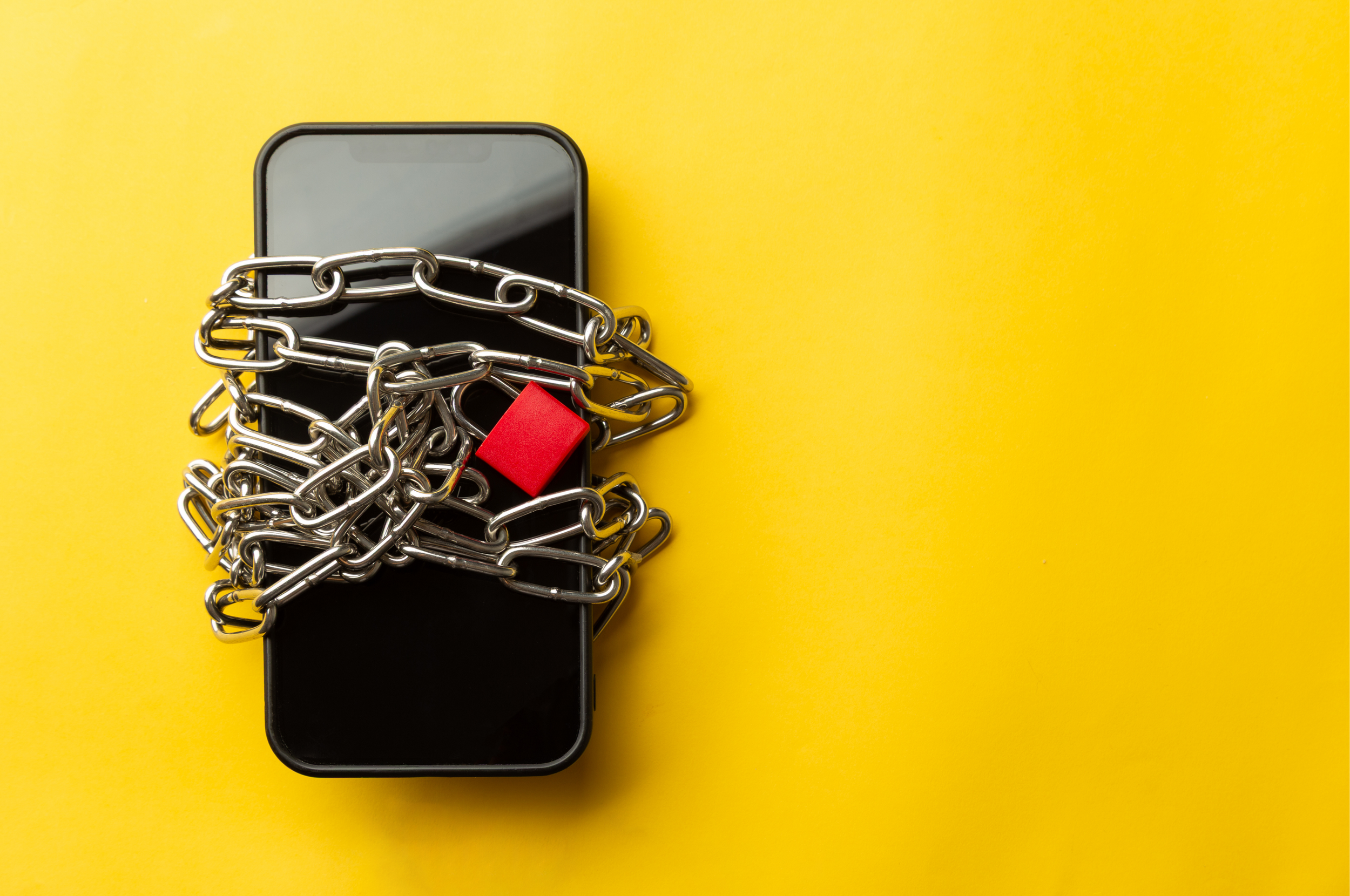
Few things hijack a student’s attention faster than the buzz of a phone or the lure of a social feed. In fact, the Program for International Student Assessment found that about two‑thirds of U.S. students are distracted by digital devices in class, and those who reported being distracted scored 15 points lower in mathematics (EducationWeek). Digital distraction isn’t only a classroom problem; it bleeds into study time, sleep, and mental health. Activities such as internet surfing, watching videos,s and perusing social media reduce attention and lower academic achievement. Distraction often stems from anxiety, fear of missing out, and multitasking. As executive function coaches, we work with students to build self‑regulation skills so they can reclaim their focus and use technology to their advantage, not their detriment.
Why digital distraction matters
Digital tools offer countless benefits, but heavy dependence can erode learning and well‑being. College students often juggle multiple screens while studying, yet multitasking can decrease productivity by up to 40 percent. High‑dopamine apps are engineered to keep users scrolling, fragmenting attention, and increasing fatigue. Researchers have found that distractions arise not only from external notifications but also from internal triggers such as boredom or the fear of missing out. Self‑regulated learning strategies such as planning, monitoring, and reflecting help students anticipate distractions and redirect their attention. Building these habits early is critical because digital distraction has a measurable impact on grades and can exacerbate anxiety and procrastination.
The science of self‑regulation
Self‑regulation involves forethought, monitoring, and reflection. In the context of technology use, that means deciding ahead of time when and how to use devices, noticing when attention drifts, and adjusting behavior accordingly. Brain‑based research shows that working memory, inhibitory control,l and cognitive flexibility, all core executive function skills, work together to support self‑regulation. When these skills lag, students may impulsively check a notification or struggle to return to a task after a distraction. Effective coaching, therefore, addresses both the environmental factors (e.g., phone settings and study space) and the cognitive processes that make sustained attention possible.
Five strategies to detox from digital distraction
1. Audit your digital environment
Start by understanding your current habits. Track how often you pick up your phone during study sessions and what triggers those interruptions. Research on college students highlights that digital distractions include internet surfing, watching movies, checking texts and browsing social media. Once you recognize your patterns, start by making small changes:
Disable nonessential notifications on social media and messaging apps during study periods. Many students worry about missing out, but scheduling specific times to check messages allows you to stay current and prevents continuous interruption.
Use website blockers or focus apps like Focus Tree or AppBlock to limit access to distracting sites.
Setting a 30‑minute timer followed by a short break helps maintain focus.
Designate device‑free zones or times, such as keeping phones out of reach during lectures or meals. These boundaries reduce the temptation to multitask and help the brain recover from constant stimulation.
2. Apply the 80/20 screen‑use rule
The 80/20 rule is a practical guideline proposed by study‑skills experts: aim for 80 percent of your screen time to be productive (note‑taking, studying, planning) and 20 percent for recreation. Many teens and young adults use platforms like TikTok or YouTube for study tips, but they quickly slip into entertainment feeds. Setting a proportion between learning and leisure helps maintain balance without demonizing technology. When you reach your recreational limit, switch to an offline activity such as stretching, chatting with a friend, or reading a book.
3. Adopt a time‑blocking routine
Time blocking involves scheduling specific tasks in dedicated blocks of time. It reduces decision fatigue and prevents tasks from overlapping. College Success Plan’s executive function coaching programs help students master the skills of mapping out exam dates, breaking subjects into topics, and setting a daily study load. You can applya similar structure to digital use:
Plan your study sessions in 25 or 50-minute blocks (Pomodoro sessions) with five‑minute breaks. During work blocks, silence your phone and avoid switching tabs. During breaks, you can briefly check messages or social media. Schedule recreational screen time after completing a block of work. This creates a reward system and trains the brain to associate focus with positive outcomes.
When your mind is racing, and every task feels equally important, the Time Management Matrix is a powerful tool that can help you prioritize what needs to be done first and what can wait.
4. Strengthen self‑monitoring skills
Self‑monitoring means noticing when your attention drifts and taking steps to refocus. The W.O.O.P. goal framework - Wish, Outcome, Obstacle, Plan - can help you identify triggers and plan responses. For example, if you know scrolling social media before bed keeps you awake, make a plan. Your plan can be as simple as, “If I pick up my phone after 10 p.m., I will put it on the charger and read a book instead.” Additionally, breaking tasks into manageable sections supports working memory and reduces overwhelm. Each time you finish a section, check in with yourself. Are you still focused? Do you need a short break? This reflective habit builds metacognition, making it easier to catch and correct distractions
5. Build accountability and support
Accountability dramatically increases the likelihood of achieving goals. An article from The Ohio State University notes that only 9 percent of Americans who set New Year’s resolutions keep them, and people who write their goals and set up accountability are twice as likely to succeed. Apply this principle to digital habits by:
Pairing up with a study partner and committing to checking in on each other’s progress. When you commit to reporting your screen time or focus intervals, you’re more inclined to follow through.
Using technology wisely by setting up shared calendars or apps that track focused minutes. Turning digital tools into allies rather than enemies reinforces good habits.
Work with an experienced executive function coach to develop the executive function skills needed to promote healthy tech habits.
Final thoughts
Digital distraction is not inevitable. By auditing your habits, adopting the 80/20 rule, scheduling focused blocks, strengthening self‑monitoring, and building accountability, you can take back control of your attention. These strategies rest on the executive function skills of planning, inhibition and cognitive flexibility. If you need personalized guidance, our College Success Coaching program provides one-on-one coaching completely individualized to support your unique needs. We can help you turn your devices from distractions into tools for success.